


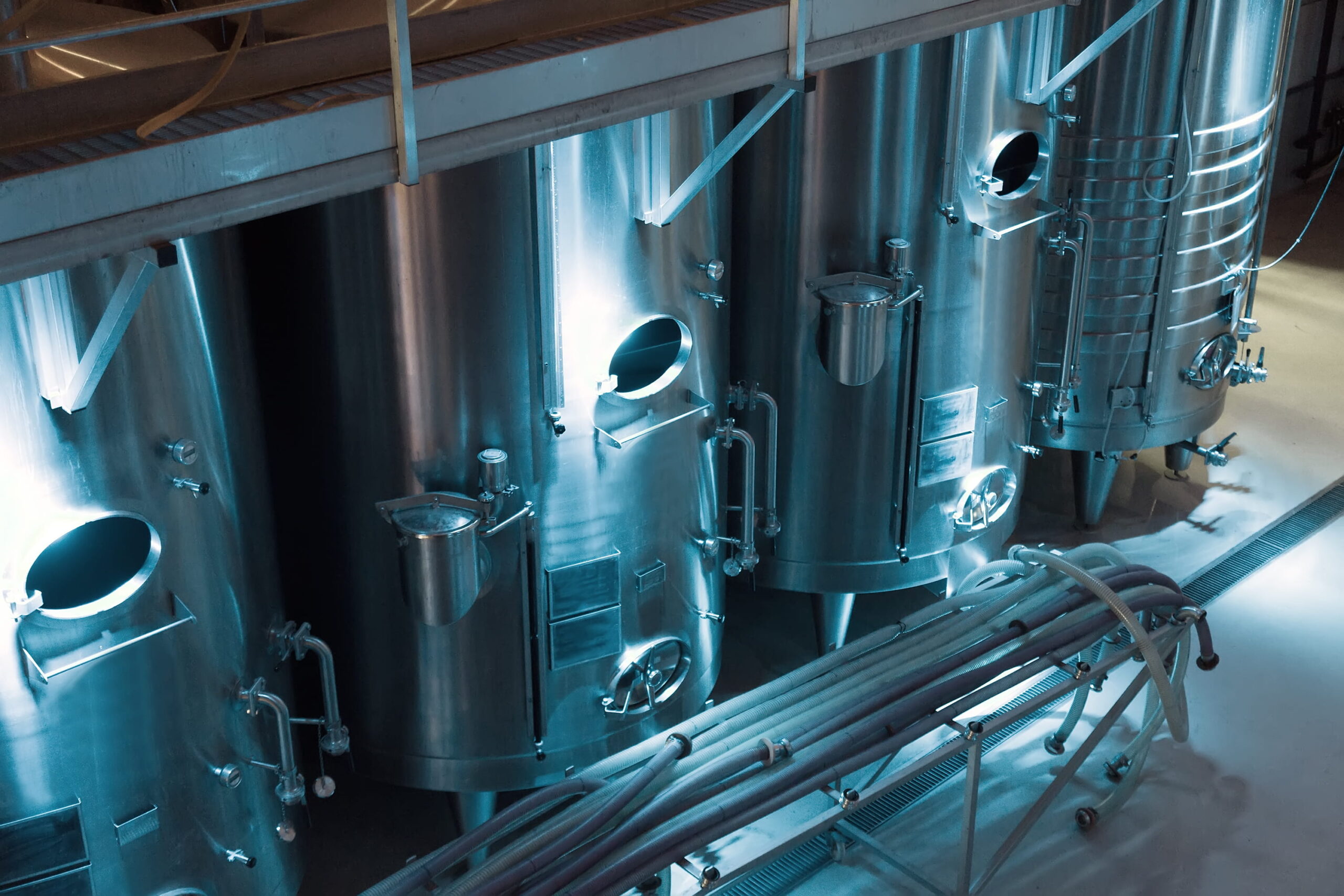
In industrial environments where people work with extremely low temperatures, it is very important that equipment and systems function properly. It is not something you can play around with, but something that is truly necessary. Cryogenic technology ensures that gases can be safely converted into liquid, stored, and transported without compromising product quality or safety. Around the world, companies in sectors such as energy, healthcare, food processing, and heavy industry rely on cryogenic technology to ensure that processes run smoothly and without interruption, with cryogenic technologies playing a central role in safe and efficient production processes.
Modern cryogenic installations are designed to be as efficient as possible. They must allow little gas to evaporate and always work properly. This ensures that liquid gases remain available for important applications under all circumstances. Companies therefore purchase special cryogenic systems to save money, be sustainable, and ensure that their processes continue without compromising safety.
Widely applicable in a variety of industries
Although the ways in which cryogenic technology is used vary from industry to industry, the basic principle remains the same: we handle extremely cold liquids in a controlled manner. In hospitals and research centers, we use cryogenic gases for MRI machines and scientific research. In the food industry, these techniques ensure that products are frozen quickly, preserving their taste, texture, and nutritional value, a development in which cryogenic technologies play an important role worldwide.
Cryogenic installations are very important in energy projects, the petrochemical industry, and maritime applications. Take, for example, LNG installations or storage solutions for industrial gases that are transported all over the world. Nowadays, systems are often modular in design, so that they can be easily connected to existing infrastructure and expanded at a later date. This means that production processes can continue as normal and that no lengthy downtime is required when expansions take place, something that is made possible by flexible cryogenic technologies solutions.
Crucial components of cryogenic technologies
The design of cryogenic installations revolves around a precise balance between safety, efficiency, and long-term reliability. A modern installation consists of multiple components that must fit together seamlessly to deliver optimal performance. These include:
- Vacuum-insulated pipes and storage tanks that minimize heat radiation
- Pressure control and safety systems that manage risks
- Evaporators and heat exchangers for controlled conversion from liquid to gas
- Loading and unloading systems for safe transport
- Measurement and control systems that continuously monitor processes
Carefully combining these elements creates an infrastructure that is suitable for both continuously running production environments and temporary peak loads. Even under harsh conditions, cooling capacity is maintained and safety is guaranteed, demonstrating how important cryogenic technologies are for stable industrial processes.
Development towards energy efficiency and sustainability
Innovation in cryogenic technology is currently focused primarily on reducing energy consumption and emissions. New designs improve insulation and reduce product loss during storage and transport. In addition, modern measurement and control systems ensure that installations are constantly monitored, allowing for better maintenance planning and preventing unexpected downtime.
People are looking for solutions that are flexible. That is why manufacturers are designing installations in small components, making it easier to add more capacity without replacing everything. This is not only cheaper, but also better for the environment, as we make optimal use of the existing infrastructure, an approach that fits in perfectly with the scalable possibilities of cryogenic technologies.
Service and support remain essentials in cryogenic technologies
In addition to good technology, service is very important for the successful use of cryogenic installations. It is important to carry out regular checks, maintenance, and technical improvements. This ensures that a system operates safely and efficiently from the beginning to the end of its service life. The use of good materials and sensible construction methods helps to minimize heat loss and the risk of leakage.
By combining technical knowledge with practical experience, installations can be adapted as production processes change. This ensures that there are no long-term interruptions and helps companies in sectors where the continuous operation of work is crucial to the proper functioning of the business.
An investment in future-proof processes with cryogenic technologies
Companies that use modern cryogenic technology perform better. They have better working methods, lower costs, and a safe environment for their employees. By trying and discovering new things, these solutions are becoming increasingly better for the environment and use less energy, thanks in part to continuous innovations in cryogenic technologies.
A well-designed cryogenic infrastructure lays a solid foundation for industrial processes that combine safety, reliability, and efficiency. This creates a future-proof production environment that is ready for further growth and technological development.
